

Before embarking on your journey, it is essential to conduct thorough research on your destination. Understanding the local culture, customs, and potential risks can significantly enhance your travel experience. You should delve into the history of the place, its traditions, and the general behavior of its inhabitants.
This knowledge not only enriches your experience but also helps you navigate social interactions more smoothly. For instance, knowing whether a destination has specific dress codes or etiquette can prevent you from inadvertently offending locals. Additionally, familiarize yourself with the geography and layout of the area.
Study maps and identify key landmarks, neighborhoods, and attractions you wish to visit. This preparation will help you feel more confident as you explore, allowing you to focus on enjoying your trip rather than worrying about getting lost. You might also want to read travel blogs or watch videos from fellow travelers who have visited the same location.
Their insights can provide valuable tips on what to see, where to eat, and how to stay safe while immersing yourself in the local culture.
Key Takeaways
- Research your destination to understand local customs, laws, and potential safety concerns
- Stay aware of your surroundings at all times, especially in unfamiliar or crowded areas
- Trust your instincts and remove yourself from any situation that feels unsafe or uncomfortable
- Keep your belongings secure by using locks, safes, and staying vigilant in crowded areas
- Stay connected with loved ones by sharing your itinerary and checking in regularly
- Plan your transportation carefully, using reputable services and avoiding risky or unlicensed options
- Learn basic self-defense techniques to protect yourself in case of an emergency
- Be mindful of cultural norms and customs to show respect and avoid unintentionally causing offense
Stay Aware of Your Surroundings
Situational Awareness is Key
As you navigate through new environments, maintaining awareness of your surroundings is crucial for your safety. This means being conscious of the people around you, the activities taking place, and any potential hazards that may arise. When walking through busy streets or crowded markets, keep your head up and observe the dynamics of the area.
Avoiding Distractions
Notice if there are any unusual behaviors or situations that seem out of place. By staying alert, you can better anticipate potential risks and react accordingly. Moreover, it’s wise to avoid distractions that can compromise your awareness. For instance, while it may be tempting to scroll through your phone or listen to music with headphones, doing so can make you an easy target for theft or other dangers.
Engaging with Your Environment
Instead, try to engage with your environment fully. If you’re in a café or restaurant, take a moment to observe the interactions around you. This practice not only enhances your safety but also allows you to appreciate the local culture more deeply.
Trust Your Instincts
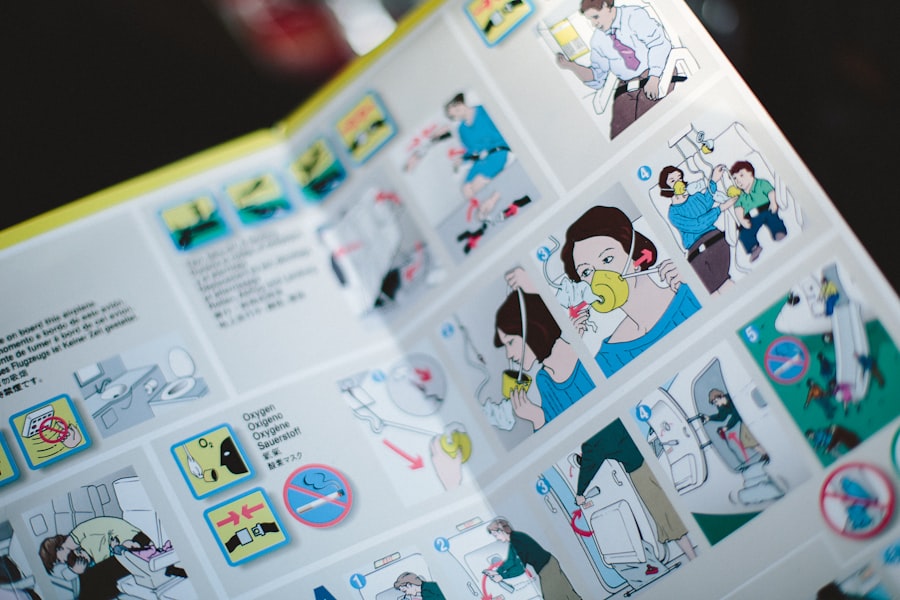
Your intuition is a powerful tool when it comes to personal safety while traveling. If something feels off or makes you uncomfortable, don’t hesitate to trust that feeling. Whether it’s a situation that seems suspicious or a person who gives you an uneasy vibe, your instincts are often based on subtle cues that your conscious mind may not immediately recognize.
By listening to these feelings, you can make decisions that prioritize your well-being. For example, if you find yourself in a neighborhood that feels unsafe or if someone approaches you in a way that raises red flags, it’s perfectly acceptable to remove yourself from the situation. You might choose to walk away, seek help from a nearby shopkeeper, or even call for assistance if necessary.
Remember that prioritizing your safety is not an overreaction; it’s a responsible approach to travel that can help you avoid potentially dangerous situations.
Keep Your Belongings Secure
One of the most practical ways to ensure your safety while traveling is by keeping your belongings secure. This involves being mindful of where you store your valuables and how you carry them with you. Consider using anti-theft bags or pouches that are designed to deter pickpockets and thieves.
These items often come with features like lockable zippers and cut-resistant straps, providing an extra layer of security for your belongings. Additionally, be strategic about what you carry with you each day. Only take what you need—such as a small amount of cash, a credit card, and your phone—while leaving larger sums of money and important documents in a secure location at your accommodation.
When in crowded areas or public transportation, keep your bag close to your body and be vigilant about anyone who may be trying to get too close. By taking these precautions, you can significantly reduce the risk of theft and enjoy your travels with peace of mind.
Stay Connected with Loved Ones
Maintaining communication with friends and family while traveling is not only comforting but also a vital safety measure. Before you leave, establish a plan for regular check-ins with loved ones back home. This could be through text messages, phone calls, or video chats at predetermined times.
By keeping them informed about your whereabouts and activities, they can help monitor your safety and provide support if needed. In addition to regular check-ins, consider sharing your travel itinerary with someone you trust. This includes details about where you’ll be staying, any planned excursions, and transportation arrangements.
In case of an emergency or if something goes awry during your trip, having someone who knows your plans can be invaluable in ensuring your safety and facilitating assistance if necessary.
Plan Your Transportation Carefully
Planning Your Transportation
Transportation is a vital aspect of travel that requires careful planning to ensure both convenience and safety. Before arriving at your destination, research the available transportation options—such as public transit systems, taxis, rideshare services, or rental cars—and determine which will best suit your needs.
Understanding Local Transportation Norms
Familiarize yourself with local transportation norms and practices; for example, some cities may have specific rules regarding taxi services or public transport etiquette. This knowledge will help you navigate the transportation system with ease and avoid any potential issues.
Staying Safe While Using Transportation Services
When using public transportation or rideshare services, always verify the identity of your driver before getting into a vehicle. Check their name and license plate against the information provided in the app or service you’re using. If something feels off or if the driver seems unprofessional, trust your instincts and opt for another ride.
Planning Your Routes in Advance
Additionally, consider planning your routes in advance to avoid wandering into unfamiliar areas late at night or during off-peak hours when fewer people are around. This will help you stay safe and avoid any potential risks associated with traveling in unfamiliar areas.
Learn Basic Self-Defense
While it’s essential to take precautions against potential dangers while traveling, having basic self-defense skills can provide an added layer of confidence and security.
Learning how to protect yourself physically can empower you and help you feel more prepared for any unforeseen circumstances.
In addition to physical techniques, self-defense training often includes situational awareness strategies that can help you identify potential threats before they escalate. These skills can be invaluable when navigating unfamiliar environments where risks may not be immediately apparent. By equipping yourself with both physical skills and mental preparedness, you’ll be better positioned to handle any challenges that may arise during your travels.
Be Mindful of Cultural Norms
Every destination has its own set of cultural norms and practices that travelers should respect and adhere to. Being mindful of these customs not only enhances your experience but also fosters goodwill between you and the locals.
For instance, in some cultures, it may be customary to remove your shoes before entering someone’s home or a sacred site; failing to do so could be seen as disrespectful. Similarly, understanding how to greet people appropriately—whether through handshakes, bows, or other gestures—can go a long way in establishing positive interactions with locals. By showing respect for cultural norms, you not only enrich your travel experience but also contribute positively to the communities you visit.
In conclusion, traveling can be an incredibly rewarding experience when approached with care and consideration for safety. By researching your destination thoroughly, staying aware of your surroundings, trusting your instincts, securing your belongings, maintaining communication with loved ones, planning transportation wisely, learning self-defense basics, and respecting cultural norms, you can navigate new environments confidently and enjoyably. Each step taken towards ensuring your safety enhances not only your well-being but also the richness of the experiences awaiting you on your journey.
If you’re a solo woman traveler looking for more tips and advice, be sure to check out the article “Vietnam: The Final Chapter”. This article provides insights and experiences from a solo female traveler exploring Vietnam, offering valuable information on safety, cultural norms, and must-see destinations. It’s a great resource to complement the safety tips mentioned in “The Top Safety Tips Every Solo Woman Traveler Should Know.” Additionally, you may also find the travel checklist article helpful in preparing for your next adventure.